Easter in Malta 2026: A Guide to Holy Week and Local Traditions
Easter in Malta 2026 is one of the most special times to visit the island, with streets full of processions and traditional sweets appearing in every bakery. It is a season shaped by faith and strong local customs, set against Malta’s soft spring light.
Key Dates for Easter 2026 in Malta
Easter in Malta 2026 takes place at the start of April, with each day of Holy Week having its own meaning and events. Plan your stay around these important dates:
- Our Lady of Sorrows (Id-Duluri) – 27 March 2026: A large and emotional procession honouring the Virgin Mary, held in many towns across Malta.
- Palm Sunday (Ħadd il-Palm) – 29 March 2026: The start of Holy Week, marked by blessing palm and olive branches.
- Maundy Thursday (Ħamis ix-Xirka) – 2 April 2026: Churches stay open late so visitors can pray in the evening.
- Good Friday – 3 April 2026 (il-Ġimgħa l-Kbira): Processions remembering the Passion of Christ.
- Holy Saturday – 4 April 2026 (Sibt il-Għid): Quiet preparation during the day and Easter Vigil services at night.
- Easter Sunday (Ħadd il-Għid) – 5 April 2026: Celebrations of the Resurrection across all of Malta.
Holy Week Traditions & Religious Observances
Holy Week follows the period of Lent, which begins on Ash Wednesday. Lent is a time of prayer and reflection, where churches are decorated in purple cloth as per tradition.
One important day before Good Friday is Our Lady of Sorrows, where large processions honour the Virgin Mary and her suffering.
On Maundy Thursday, every parish church prepares a decorated Altar of Repose. After Mass, the consecrated host is carried there for adoration and remains on display until Good Friday afternoon. That evening, many locals take part in the tradition known as “seba’ viżti”, where they visit seven different churches in one evening. In each church, they kneel before the Altar of Repose and spend a few quiet moments in prayer.
Many parish halls also show Passion exhibitions or Last Supper displays.
Good Friday Processions: Malta’s Most Powerful Tradition
Good Friday, on 3 April 2026, is the most serious day of Holy Week. In towns across Malta and Gozo, large statues showing scenes from the Passion are carried through the streets.
These processions often include:
- Devotees dressed as Roman soldiers or biblical figures
- Hooded penitents walking barefoot, sometimes with chains
- Brass bands playing slow funeral marches
- Silent crowds watching as the statues pass
Żebbuġ and Mosta host well-known processions in Malta, although Birgu is home to one of the oldest Good Friday processions on the island, dating back to the early 17th century. In Gozo, Victoria, Xagħra, and Nadur draw large crowds.
Easter Sunday Celebrations & The Risen Christ
Easter Sunday, 5 April 2026, brings a complete change in mood. Church bells ring loudly across the island, and the statue of the Risen Christ is carried in joyful processions, accompanied by bands playing lively marches in the streets.
In Birgu, one can see some special traditions taking place. Here, bearers run uphill with the statue while people cheer, and the town also holds a blessing of the sea.
After morning mass, most Maltese families return home to host extended family for a celebratory lunch.
Easter Treats You Must Try in Malta
As per the Christian tradition, food is a central part of Easter. In Malta, traditional sweets appear in shop windows weeks before Easter Sunday.
Look out for:
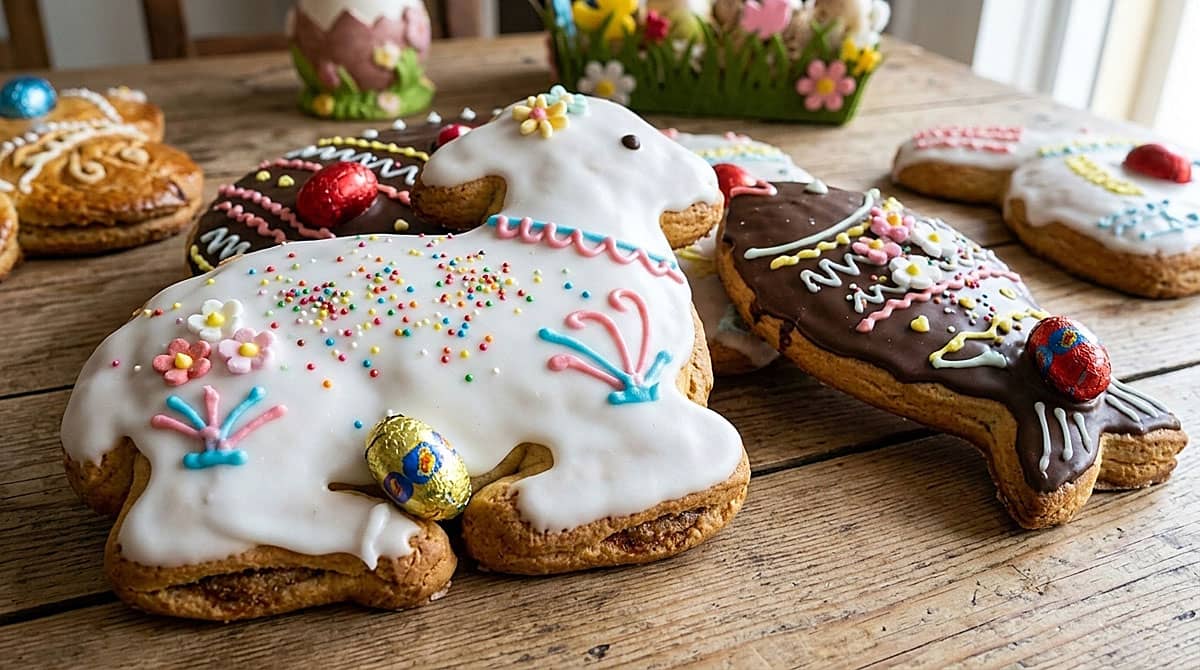
- Figolli: Almond-filled pastries shaped like rabbits or hearts, covered in icing and often topped with a chocolate egg.
- Kwareżimal: A spiced almond biscuit eaten during Lent and made without butter or milk.
- Qagħaq tal-Appostli: A sesame-covered ring bread linked to Maundy Thursday and Good Friday.
- Karamelli tal-Ħarrub: Carob sweets traditionally eaten on Good Friday.
You can find these treats in local bakeries and supermarkets such as Pavi and Pama. Shops like Maypole and Camilleri tal-Ħelu also sell them during the season.
Beyond the Processions: What Else to Do in Malta During Easter
Spring weather in Malta is mild and comfortable, making it an incredibly pleasant time for walking and sightseeing.
You can stroll along Dingli Cliffs and enjoy the lovely sea views, or visit Buskett, which would be at its greenest and lushest around this time of year. Also, beaches such as Mellieħa Bay and Golden Bay are much calmer during this time than when summer begins.
Essentially, Easter allows you to explore Malta at a relaxed pace, unhurried by sweltering weather or massive summer crowds.
Conclusion
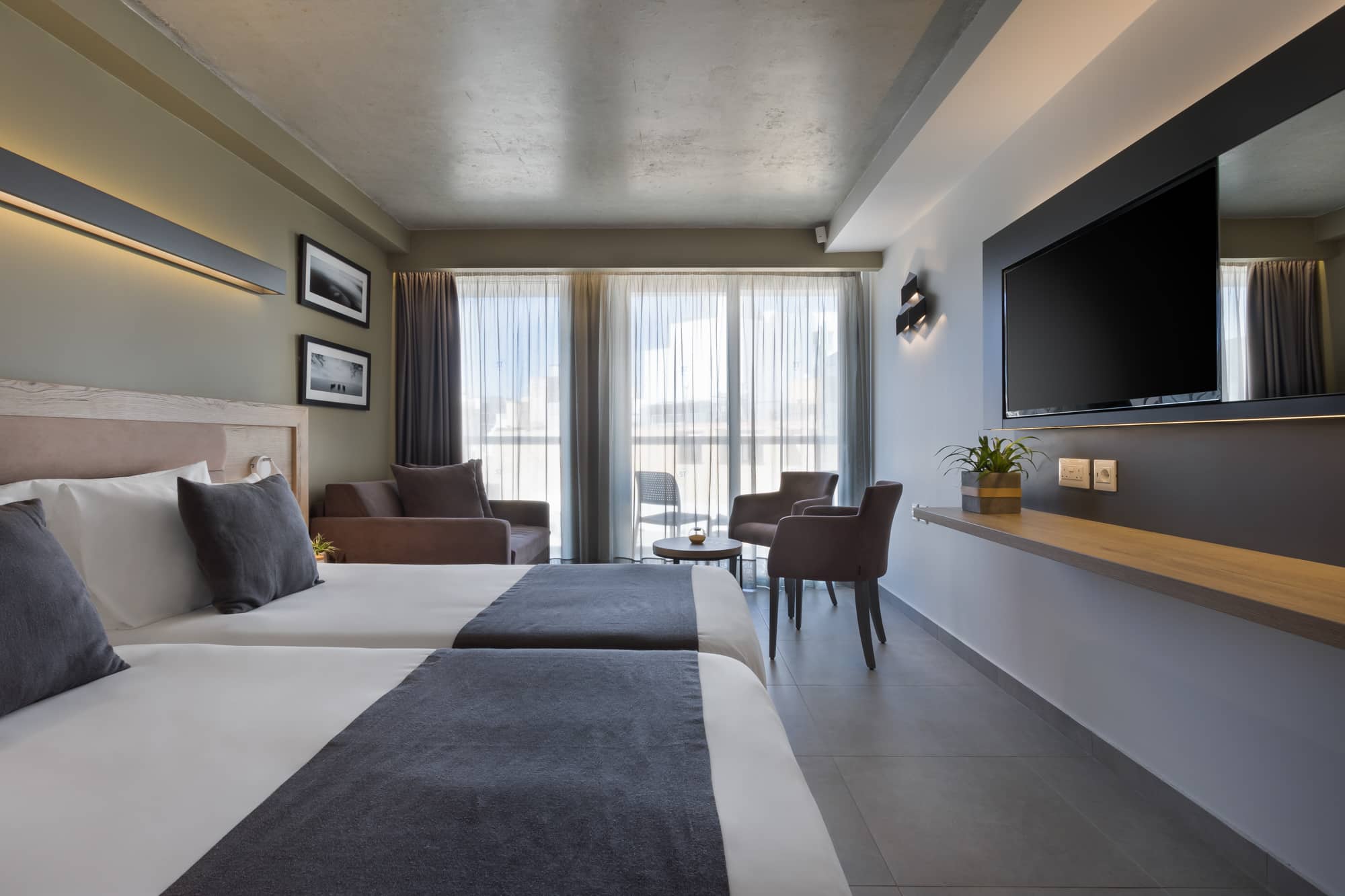
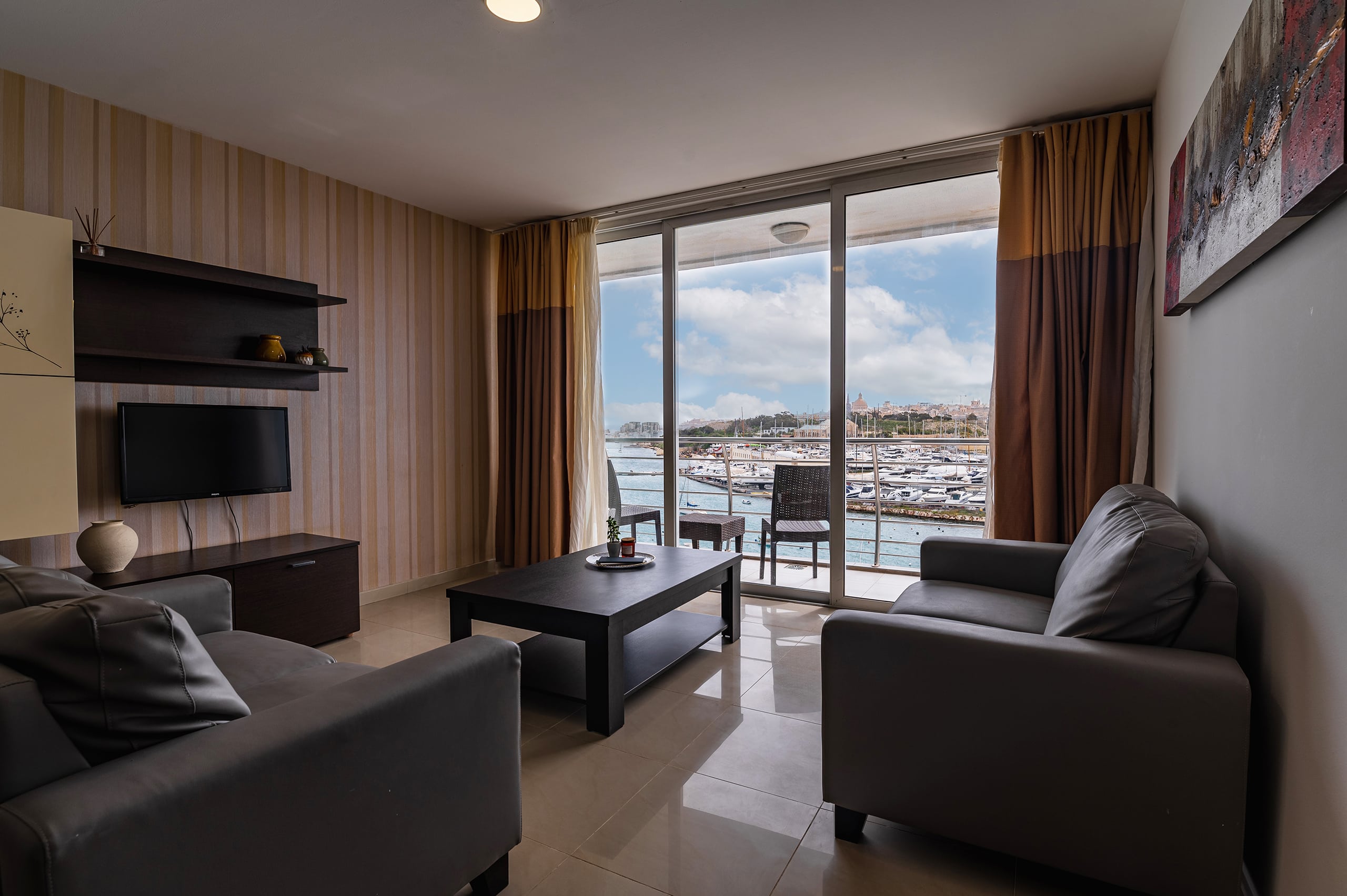
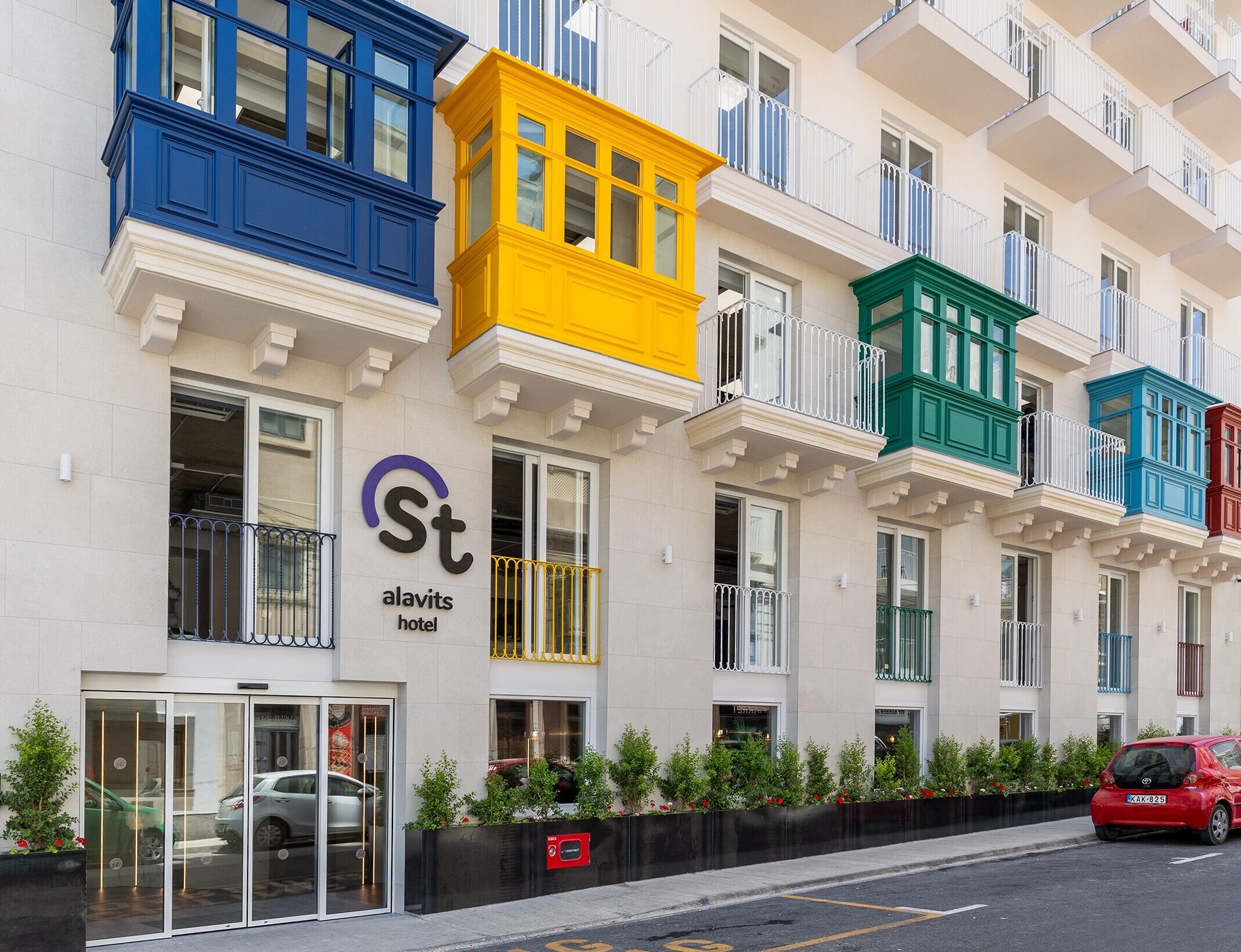
Easter in Malta 2026 offers a deep look into local life and tradition, but choosing the right place to stay makes all the difference. ST Hotels offers well-located accommodation close to main transport links and key Holy Week events, meaning that you can explore and visit anywhere you wish and then return to the comfort and convenience of our locations.
Book your stay at ST Hotels accommodation in Sliema and Gżira and experience Easter in Malta 2026 with ease.
FAQ Questions for “Easter in Malta 2026”
1. When is Easter in Malta in 2026?
Easter Sunday in Malta in 2026 falls on 5 April 2026. Holy Week begins with Palm Sunday on 29 March 2026 and includes important events such as Maundy Thursday church visits, Good Friday processions, and Easter Sunday celebrations across towns and villages.
2. What happens during Holy Week in Malta?
Holy Week in Malta is marked by religious ceremonies, street processions, and church traditions. Good Friday features solemn processions with statues depicting the Passion of Christ, while Easter Sunday celebrates the Resurrection with joyful marches, church bells, and family gatherings.
3. What are the most famous Easter processions in Malta?
Some of the most famous Good Friday processions take place in Żebbuġ, Qormi, Mosta, Rabat, and Vittoriosa. These processions feature large religious statues carried through the streets by volunteers, accompanied by bands, biblical costumes, and candlelit crowds.
4. What traditional sweets are eaten in Malta at Easter?
A popular Easter treat in Malta is Figolli, almond-filled biscuits shaped like lambs, fish, or hearts and covered in icing. Bakeries across the island sell figolli during Lent and Holy Week, and families often exchange them as festive gifts.
5. Is Easter a good time to visit Malta?
Yes, Easter is considered one of the most special times to visit Malta. The island enjoys mild spring weather, cultural events, and vibrant local traditions, making it an excellent time to experience Maltese heritage, religious celebrations, and seasonal food.
6. What happens on Easter Sunday in Malta?
Easter Sunday in Malta is a joyful celebration. Churches hold festive Masses and many towns organize the traditional “Running with the Risen Christ” procession, where a statue of the resurrected Christ is carried quickly through the streets.